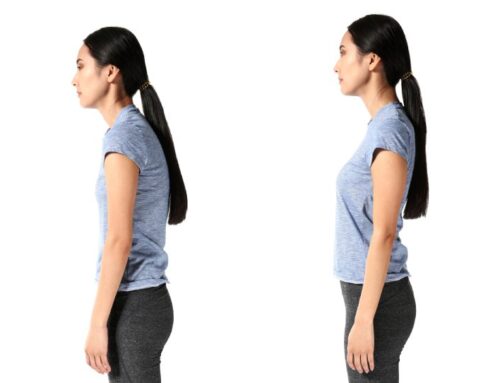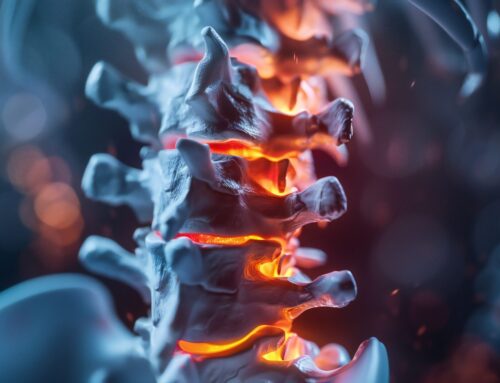

Poor posture can develop slowly through everyday habits such as sitting at a desk, looking down at a phone, driving for long periods, or working from a laptop. Over time, these repeated positions may place strain on the neck, shoulders, and spine, leading to discomfort, stiffness, headaches, and reduced mobility. For those searching for how to improve posture, the key is addressing more than surface-level habits. Long-term results often require a structured approach that combines proper posture tips, corrective care, and advanced solutions like the iTrac® Spine Remodeling System to help restore healthier spinal alignment.
How to Improve Posture: Achieve Long-Term Results with iTrac® Spine Remodeling System
Poor posture is more than a cosmetic concern. Over time, it can place unnecessary stress on the neck, shoulders, spine, and surrounding muscles, contributing to chronic discomfort and reduced mobility. If you have been searching for information on how to improve posture, the most effective approach is not simply “standing up straighter.” Long-term improvement often requires a combination of daily awareness, corrective exercises, professional assessment, and targeted spinal remodeling.
At The Head and Neck Centers of Excellence, Dr. Andrew Smith helps patients address the underlying causes of poor posture through advanced, non-surgical solutions, including Chiropractic BioPhysics and the iTrac® Spine Remodeling System.
Understanding the Effects of Poor Posture
Poor posture usually develops gradually. Desk work, prolonged phone use, sedentary habits, long commutes, and repeated daily positions can slowly train the body into unhealthy alignment. Many people do not notice the change until pain, stiffness, or fatigue becomes part of daily life. It can be defined as repetitive motion trauma. The same habits repeated over time can break down alignment.
Common symptoms of poor posture can include:
- Neck pain
- Headaches
- Rounded shoulders
- Lower back pain
- Fatigue
- Reduced lung capacity
- Muscle tension and stiffness
When poor posture is left unaddressed, it can contribute to long-term spinal misalignment, making it harder for the body to function efficiently and comfortably. This can happen due to irritation of delicate nerves running through the spine.
Seek Professional Assistance
While good posture tips and daily habits can help, some symptoms should not be ignored. If you experience persistent neck pain, recurring headaches, numbness, tingling, or pain that interferes with sleep, work, or daily activities, it may be time to seek professional assistance.
A professional posture evaluation may include postural analysis, spinal X-rays, movement screening, and a detailed review of your symptoms and lifestyle. This allows the provider to determine whether your posture issue is mainly muscular, structural, or related to spinal alignment.
Seeking help early is a proactive step. The sooner posture problems are evaluated, the easier it may be to create a personalized plan that supports better function and long-term relief.
Include Postural Correction Exercises
Exercise is an important part of any posture improvement plan. If you are wondering how exercise can improve posture, the answer is simple: targeted movements strengthen weak muscles, stretch tight areas, and retrain the body to hold healthier alignment.
Helpful postural correction exercises include:
- Bird-Dog — Builds core and lower back stability.
- Doorway Stretch — Opens the chest and helps counter rounded shoulders.
- Superman — Strengthens the posterior chain, including the back and glutes.
- Chin Tucks — Helps correct forward head posture and supports neck alignment.
For most people, consistency matters more than intensity. Performing these exercises several times per week, or as recommended by a provider, can support gradual improvement. One of the simplest proper posture tips is to set a timer every 30–40 minutes during the day to stand, move, stretch, and reset your posture.
Simple Daily Habits for Better Posture
Small habits help reduce daily strain.
When sitting at a desk, keep your screen at eye level, feet flat on the floor, and lower back supported with a chair or lumbar support. Avoid leaning forward toward the screen, which can increase stress on the neck and upper back.
When standing, keep your weight slightly on the balls of your feet, knees soft, and shoulders relaxed. A helpful cue is to imagine your shoulder blades sliding gently into your back pockets.
Sleeping posture also matters. Side-lying with a pillow between the knees can help support spinal alignment. Stomach sleeping is often discouraged because it can force the neck into rotation for long periods.
While driving, keep your seat at about a 100–110 degree angle and place a lumbar roll behind the lower back when needed. These simple adjustments directly support anyone asking, “How can I improve my posture when sitting, standing, sleeping, or driving?”
Chiropractic BioPhysics (CBP)
Chiropractic BioPhysics, or CBP, is a specialized chiropractic approach focused on improving spinal structure and function. Rather than only addressing symptoms, CBP evaluates how spinal alignment, posture, and movement patterns may be contributing to pain or dysfunction.
At The Head and Neck Centers of Excellence, CBP may be used as part of a personalized plan for patients dealing with poor posture, chronic headaches, neck pain, TMJ dysfunction, and related symptoms. This approach supports the clinic’s broader focus: identifying root causes and helping patients pursue long-term wellness through non-surgical care.
How Long Does It Take to Correct Your Posture?
Chiropractic BioPhysics, or CBP, is a specialized chiropractic approach focused on improving spinal structure and function. Rather than only addressing symptoms, CBP evaluates how spinal alignment, posture, and movement patterns may be contributing to pain or dysfunction.
At The Head and Neck Centers of Excellence, CBP may be used as part of a personalized plan for patients dealing with poor posture, chronic headaches, neck pain, TMJ dysfunction, and related symptoms. This approach supports the clinic’s broader focus: identifying root causes and helping patients pursue long-term wellness through non-surgical care.
The Benefits of The iTrac® Spine Remodelling System
The iTrac® Spine Remodeling System is designed to help restore the natural cervical curve and correct forward head posture. This is especially valuable for patients whose posture has been affected by technology use, desk work, chronic neck strain, or long-term spinal stress.
At The Head and Neck Centers of Excellence, iTrac® therapy may be incorporated into the A.S. Remodeling Protocol®, Dr. Andrew Smith’s exclusive non-surgical, drug-free approach for addressing chronic headaches, neck pain, TMJ dysfunction, pinched nerves, numbness, and posture-related concerns.
The goal is not temporary relief. The goal is to support healthier alignment, reduce unnecessary stress on the spine, and help the body function more efficiently. For patients searching for how to improve posture with a more complete solution, iTrac® offers a targeted option that goes beyond basic posture reminders.
FAQs
Common signs include forward head posture, rounded shoulders, neck pain, headaches, lower back discomfort, fatigue, and stiffness. Some people may also notice numbness or tingling if nerve irritation is involved as spinal nerves become more and more affected.
The most effective tips for correcting posture include improving your workstation setup, strengthening your core and back, stretching tight chest muscles, taking movement breaks, and seeking a professional assessment when symptoms persist.
Mild improvements may occur within weeks, but long-term structural correction often takes longer. Just like repositioning your teeth, the timeline depends on your spinal alignment, lifestyle habits, symptoms, and consistency with treatment.
Keep your screen at eye level, feet flat on the floor, lower back supported, and shoulders relaxed. Stand and reset your posture every 30–40 minutes to reduce strain.
The iTrac® Spine Remodeling System is a non-surgical therapy designed to support cervical curve restoration and improve forward head posture. It helps address structural posture problems that may contribute to neck pain, headaches, and long-term spinal stress.
Contact us for more information today.